
Aircraft financing is one of the most complex parts of airline operations and strategy. Avgeeks often criticise legacy airlines for having old fleets while purring over the shiny and new fleets of ambitious competitors. This critique (conveniently) ignores the different capital constraints that airlines face.
Airlines must choose whether each aircraft is to be owned or leased, generating a myriad of implications. Owning the aircraft means that the airline takes all risks and rewards, but also requires them to pay for the aircraft in full from its own cash resources, often having to raise debt to do this.
Leasing the aircraft means that a lessor takes the capital risk and rewards while limiting the airline’s share of risk and reward to the operational side and only for a fixed period of time. The lessor, rather than the airline, pays for the aircraft upfront, while the airline pays the lessor a rental for its use.
In practice, there are several modalities by which aircraft can be leased including operating and financing leases, the latter being a hybrid mechanism whereby the aircraft is leased with an option or obligation to purchase it at the end of the lease. An operating lease is a rental agreement that grants the airline the the right to use the asset for a specific period without transferring ownership rights, meaning the lessee simply returns the aircraft at the end of the lease.
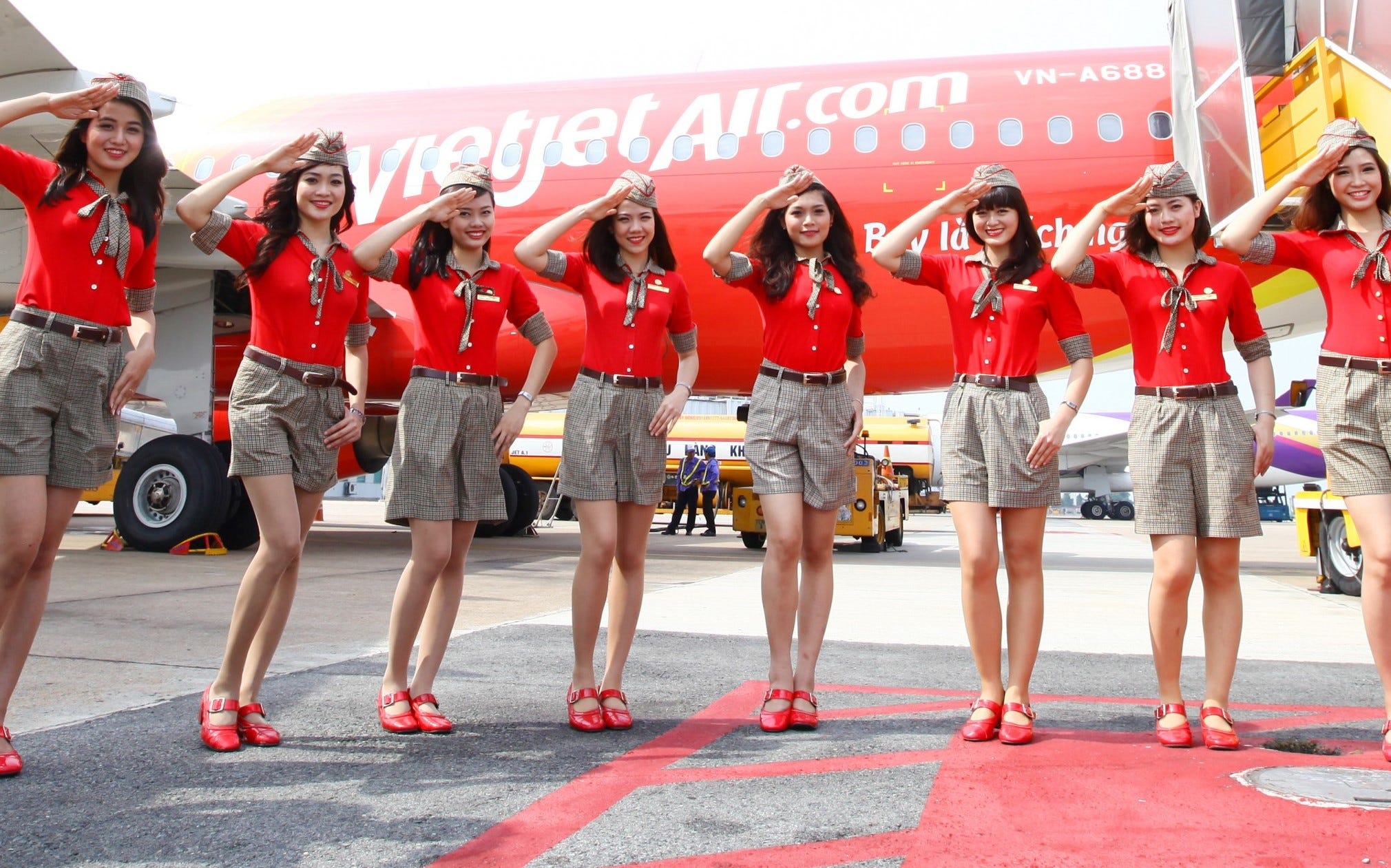
It should be obvious that purchasing an aircraft requires more of your own money (and/or debt), while leasing requires significantly less upfront cash. It’s for this reason that many startup and rapidly growing airlines are heavily dependent on leasing. VietJet Air are a typical example of this!
Since commencing operations in late 2011 they’ve grown to a fleet of 108 aircraft plus 23 more at their Thai franchisee (Thai VietJet Air). Of the 131 aircraft, only 9 are owned, while 122 are leased with 5 on finance leases and 117 on operating leases. Leasing accounted for 93% of their aircraft expenses in 2025 (VND 14.5 trillion in leasing costs and VND 1.1 trillion in depreciation, itself including VND 0.3 trillion depreciation for finance leases). By comparison, this proportion was 7% and 55% for Qantas and Virgin Australia, respectively, putting in perspective how much VietJet relies on leasing.
While there are several mechanisms for entering into operating leases, VietJet have utilised sale and leaseback transactions extensively. SLBs are a common and well-regarded aircraft financing mechanism (for both new and in-service aircraft). Almost every airlines uses SLBs, but there’s something unusual about the scale and impact of SLBs at VietJet. Let’s explore …