

A few weeks back United Airlines published the seat map of their new low density B787-9 configuration, leaving tongues wagging for the exceptionally large premium, and by contrast small economy cabins. The configuration was actually announced in May 2025, but it received a lot of attention on social media following the publication of the seat map.
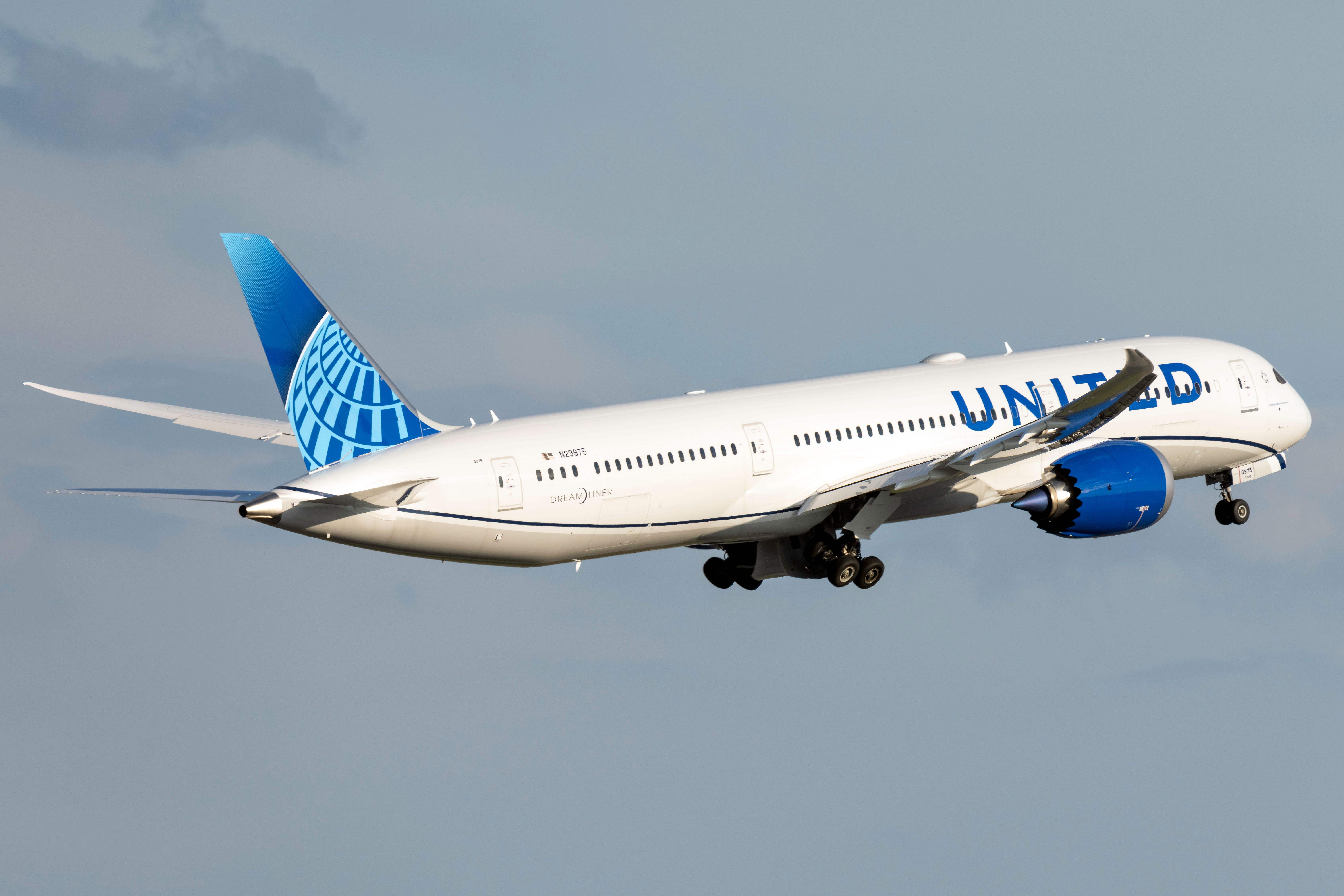
The B787-9 is already a major part of United’s widebody fleet with 48 of the type, accounting for 20% of their widebody fleet. In the coming years it’ll become the mainstay of their fleet with at least 141 more on order, slated to replace all of United’s B767, a large chunk of the B777s and providing the opportunity for significant incremental growth.
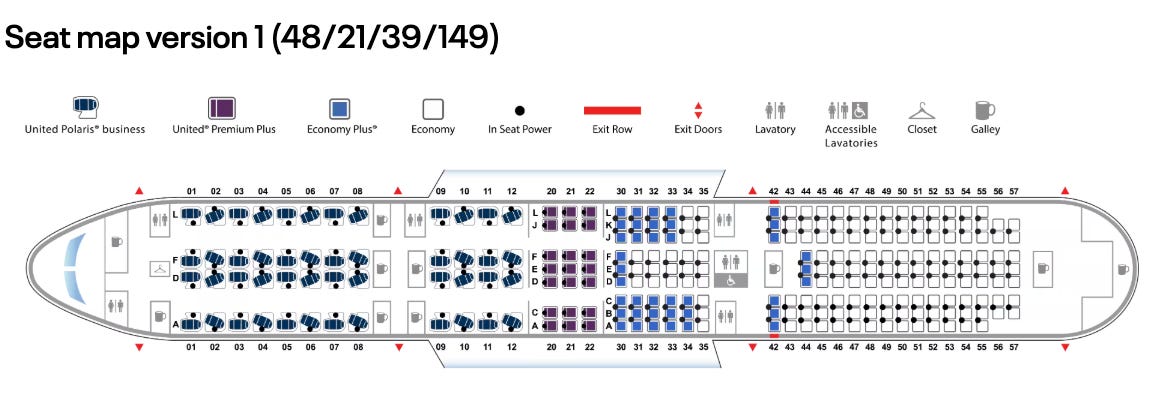
United’s contemporary B787-9 configuration is already relatively premium heavy, seating 257 passengers in a 3-class layout with 48 business, 21 premium economy and 188 economy class seats. United further segment economy class into economy plus and economy, however this is a branding exercise for seats with extra legroom - there’s no need to consider it as a seperate cabin.
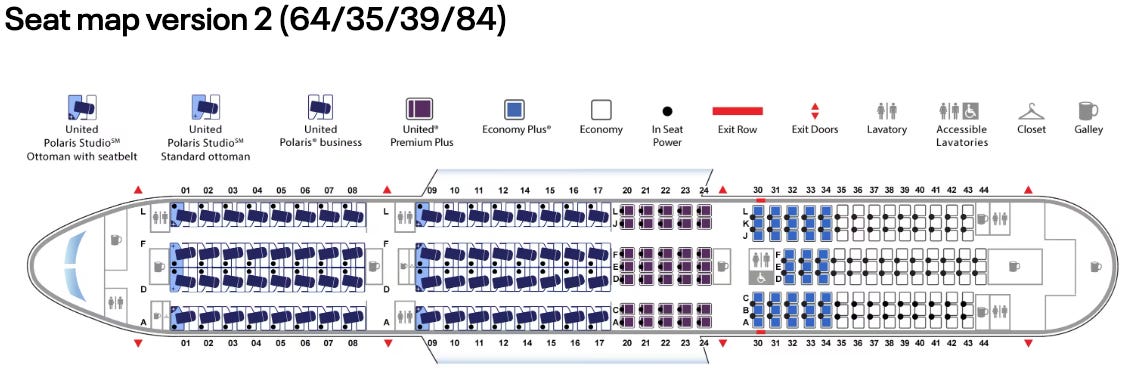
Meanwhile, the new configuration is even more premium heavy, seating 222 passengers in a 3-class layout with 64 business, 35 premium economy and 123 economy class seats. The configuration trades 65 economy class seats for 16 more business class and 14 more premium economy seats. Not all B797-9s will be configured in this very low density version, with United committing to at least 30 aircraft by 2027, likely from new orders rather than reconfiguring existing aircraft.
The commentary on social media is reacting as if this is extraordinary or unusual. While the new configuration does represent a significant reduction in cabin density compared to their contemporary configuration, it’s not extraordinary. In fact, several airlines equip their B787-9s with similar, and sometimes even lower density cabins. For example, Japan Airlines and ANA both have configurations with fewer seats, while Air New Zealand’s forthcoming low density configuration is relatively similar.
But this is somewhat besides the point, as the commentary has missed why United are implementing this new configuration. For example, Kyle Potter from Thrifty Traveler questioned whether it’s an overcorrections to the boom in premium travel, while Zach Griff argued that “United is betting big on premium demand sticking around”. We don’t think it’s an overcorrection or a big bet. Instead, we think it’s about payloads, payload restrictions and United optimising their cabins for their now large ultra long haul (ULH) network, something they hadn’t necessarily contemplated when their inducted the B787-9 in 2014.